When assessing ways to increase the value of your home, adding crawl space encapsulation is a guaranteed way to add significant value based on an array of benefits compared to costs. A recent report from Energy Star shows how home values can increase from either tax credits or cutting down on energy costs required to keep a home cool or warm due to leaks. For your health, encapsulation can remove mold and mildew, limit allergens, and prevent toxin release, to name a few. When you consider the cost to install crawl space capsulation, it’s critical to choose the right specialist. Read on to see how Rehab Restoration uses crawl space encapsulation to increase the value of your home.
We have been installing crawl space encapsulations around upstate South Carolina since we were founded. We serve all cities in the area and are growing to meet demand. We are a leader in Greenville crawl space encapsulation and have been providing this service throughout the area as we meet demand.
We also provide crawl space encapsulation remediation if you need this service.
If you’d like to learn more about our crawl space encapsulation services or to discover the financial benefits of it, give us a call.
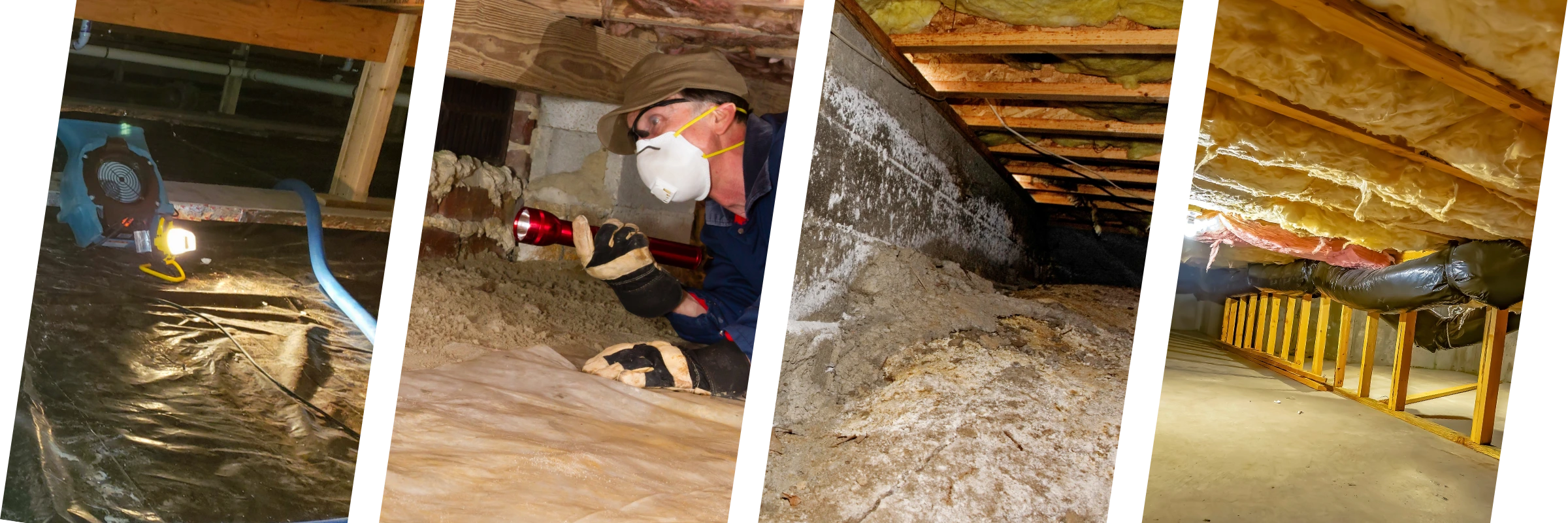
We previously created a blog that covered crawl space encapsulation as a service, specifically for the Greenville area. But to review what crawl space encapsulation is, here is a quick recap. Crawl space encapsulation is service we provide that seals vulnerable or open parts of your home, specifically walls, floors and foundations. By sealing these structures, we seal off ports of entry where moisture, allergens, pests, and temperature swings that negatively affect the integrity of your home or business. We use specific materials and equipment to achieve these goals, and/or appliances to help clear an area, like a basement.
By sealing your crawl spaces with encapsulation, you can reap a slew of benefits to your home. Learn about our industry-certified crawl space encapsulation contractors and their work in Greenville.
The benefits for crawlspace encapsulation include improved air quality, year-round comfort and stable temperatures, energy efficiency and utility bill savings, moisture control and mold prevention, and pest and rodent deterrence. These are just the structural and health benefits; next, we will go over the tax and financial benefits of have encapsulation installed in your home.
Encapsulation seals off the crawl space from outside humidity and contaminants, helping prevent mold, mildew, and airborne allergens from entering your home. When paired with a dehumidifier and whole-home filtration, many homeowners notice cleaner, fresher air throughout the house.
A properly encapsulated crawl space stays within a few degrees of the main living area, creating a more consistent indoor climate. This not only improves comfort but also makes the space below your home more usable for storage or contractor access.

By reducing humidity and air leaks, crawl space encapsulation helps HVAC systems run more efficiently. This can significantly lower heating and cooling bills over time, especially in regions with high seasonal humidity or temperature swings.
Encapsulation locks out ground moisture and condensation, helping maintain stable humidity levels below 60%. This reduces the risk of mold growth and wood rot, protecting your home’s structural integrity over the long term.
Sealing your crawl space eliminates entry points for pests like rodents, insects, and snakes. A clean, enclosed environment deters nesting and infestations, offering peace of mind and making maintenance tasks safer and easier.
These are mostly health benefits or structural integrity benefits of crawl space encapsulation. Now, let’s review the financial benefits.
In South Carolina’s humid climate, unsealed crawl spaces are often a hidden source of mold, mildew, and allergens. Because up to 50% of the air in your home can rise from the crawl space, any moisture, pests, or decaying materials below your floors can compromise the air you and your family breathe every day. Crawl space encapsulation helps eliminate this risk by sealing out moisture and controlling humidity, significantly reducing the presence of airborne contaminants and improving indoor air quality.
Encapsulation also deters insects, rodents, and other pests that are drawn to damp, dark environments. Without access to nesting grounds beneath your home, the chances of pest-related allergens and infestations go down—making a noticeable difference for families with asthma or allergies. For South Carolina homeowners looking to create a cleaner, safer, and more breathable living space, encapsulating the crawl space is a smart investment in long-term health and comfort.
The cost of crawl space encapsulation can vary based on factors such as square footage, existing conditions, and the specific needs of the property. Understanding the financial aspects of this investment can help homeowners make informed decisions. Let’s focus on federal and state tax credits.
The IRS offers a tax credit for crawl space encapsulation which you can claim on your tax returns using the Form 5695 when filing. This is the critical first step when receiving the credit as filing your return is the only way to qualify and get the credit on your return. Make sure you add this to your ‘to-do’ list when filing.
A recent discussion from tax specialists at Turbo Tax breaks down what federal tax benefits you can take advantage of and builds on the information provided by the IRS:
If you’d like to learn more about tax credits and/or other programs can you use to save, consult with one of our specialists to learn what can help benefit you.
As with all transactions we conduct, the value of encapsulation will depend on the buyer. In order to get a true assessment of the value encapsulation has on your own, you’ll need to work with a home appraiser. One of the best financial values of encapsulation is that it helps lower your energy bills significantly, making your home much more affordable to live in. Also, the preventative maintenance that encapsulation provides will prevent costly repairs in the future, like mold removal or pest control. Thus, encapsulation is an incredibly powerful investment for your home or business and its tenants.
Crawl space encapsulation will benefit you and your home or business regardless of what your invest plans in it are. Due to it’s ability to save significant money over time, it will help save money over time, which is ideal for those looking to say in their home for long time. If you combined encapsulation with other energy saving strategies for homes and properties, such as solar panels or updated appliances, the value of money saved adds up significantly.
If you’re considering health benefits, then consider those who are living or working in these properties. If you or other people working and living in these properties suffer from allergies, struggle with humidity, are sensitive or even allergies to bugs and pests, then encapsulation is easily one of the best ways to keep these people healthy from a structural standpoint.
It’s critical for us to be transparent about our services. We are going to breakdown some perceived negatives of encapsulation while dispelling any misconceptions to help you make an informed decision.
Crawl space encapsulation in South Carolina typically costs between $5,000 and $15,000, though prices can vary widely based on the size of the space, the scope of work, and regional labor rates. Customers in the state have reported quotes ranging from $11,000 for a 2,400 sq ft home to over $20,000 for more extensive projects that include drainage systems, mold remediation, and multiple dehumidifiers. Factors like insulation removal, sump pump installation, and sealing vents can drive costs higher, while smaller or drier crawl spaces may fall on the lower end of the range. Always assess your needs and ask us about what’s included to ensure you’re getting the right solution—not just the lowest price.
Encapsulating your crawl space sends a strong message to potential buyers: this home has been well cared for. It’s a visible sign of proactive maintenance, showing that you’ve taken steps to protect the property from moisture damage, pest intrusion, and structural issues. In a competitive real estate market, buyers are looking for homes that don’t come with hidden problems—and encapsulation helps you check that box with confidence.
It also makes a big difference during the inspection process. A sealed, dry crawl space eliminates common red flags like musty odors, visible mold, soft subflooring, or high moisture readings that might otherwise raise concerns. Instead of wondering what might be below, buyers and inspectors alike see a clean, protected space that reflects the overall condition of the home. That peace of mind can make your property more attractive—and more likely to sell quickly and at a stronger price.

While most home appraisals won’t assign a direct line-item value to crawl space encapsulation, it can still play a role in how your home is evaluated overall. Appraisers consider the condition, upkeep, and long-term durability of a property—and a sealed, moisture-controlled crawl space can positively influence those assessments. When your home shows fewer signs of wear and tear from moisture, pests, or structural concerns, it may appraise more favorably compared to similar homes without encapsulation.
In South Carolina, where humidity levels are high for much of the year, encapsulation may hold even more weight. Homes in coastal or flood-prone areas, or those built before modern moisture control practices, stand to benefit most. It’s worth discussing with a local real estate agent before listing—some may recommend highlighting the encapsulation as a value-adding feature in your home’s marketing materials, especially if buyers in your area are prioritizing indoor air quality, energy efficiency, or long-term maintenance savings.
As noted earlier, inn South Carolina, crawl space encapsulation costs will vary depending on the size of your home and the complexity of the job. While it can feel like a significant investment, the long-term value often outweighs the upfront cost—especially when you factor in improved energy efficiency, reduced repair needs, and a smoother home inspection process when it’s time to sell.
Encapsulation can also contribute to a better energy rating, which appeals to today’s more eco-conscious buyers. Homes that stay cooler in summer and warmer in winter with less HVAC strain are not only more comfortable—they’re more marketable.
While encapsulation is highly effective, it’s not always necessary. If your crawl space is already dry, well-ventilated, and free of pests or moisture damage, the added value may be minimal—especially if the space already passes inspection with no concerns.
It also may not be the right investment if you’re planning to sell quickly and don’t expect to recoup the cost in your listing price. In that case, simpler improvements like vapor barriers or pest control may be more cost-effective. Finally, for homeowners on a tight budget, other repairs—like roofing, HVAC, or foundation work—should take priority if those issues are more urgent.
For most homeowners in South Carolina, especially those with older homes or moisture concerns, crawl space encapsulation is well worth the investment. It strengthens your home from the ground up, protects against long-term damage, and can be a selling point when it’s time to move.
Your home is in a humid or flood-prone area
You’ve noticed musty odors, visible mold, or pests
You want to improve air quality and energy efficiency
You’re preparing to sell and want to avoid inspection issues
You plan to live in the home long-term and want to preserve its structure
If you’re unsure whether encapsulation is right for your home, the best next step is to schedule a professional inspection with us. A crawl space expert can help you understand what’s going on beneath your floors—and whether encapsulation is a smart move for your property.
Are you wanting to learn more about encapsulation or book a service? Get in touch with us to start the process.
Contact Form |