When disaster strikes, every minute matters. Our restoration company provides 24/7 emergency restoration services across South Carolina to stop further damage and stabilize your property fast—whether you’re dealing with water damage, fire damage, storm damage, or mold concerns. Count on Rehab Restoration to be there for you with critical response help:
Fast Emergency Response When Time Matters Most
Our certified professionals respond quickly to limit water spread, smoke damage, mold growth, and structural issues—reducing the risk of further damage and costly repairs.
Clear Guidance During a Stressful Situation
We explain what’s happening, what needs to be done next, and how the restoration process works, helping homeowners and property owners make informed decisions during an emergency.
Professional Restoration You Can Trust
Our IICRC-certified restoration experts follow industry standards to protect your property and work toward restoring it to its pre-loss condition with care and precision.
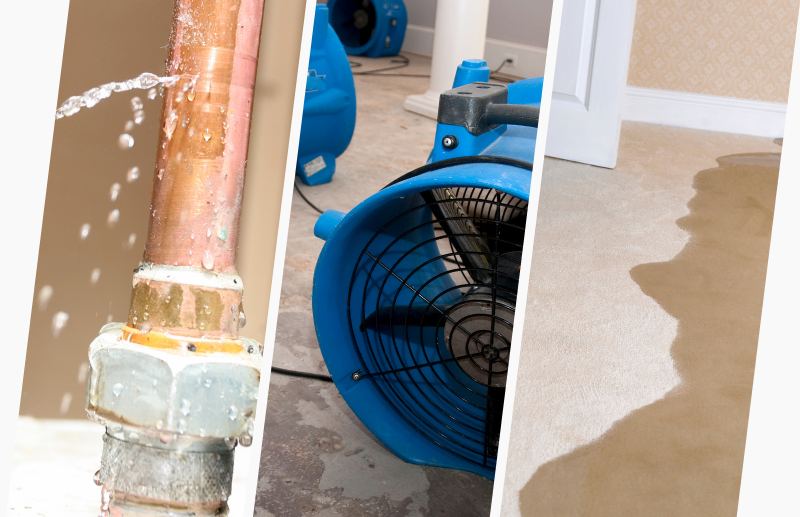
Our restoration company provides 24/7 emergency response across South Carolina to stop property damage before it spreads. Fast mitigation—including water removal, stabilization, and containment—helps prevent mold growth, structural damage, and additional repair costs. Immediate action also supports a smoother insurance claim and a faster restoration process.
Emergency restoration services provide immediate response after water damage, fire damage, storm damage, or mold-related property damage. The goal is to stop further damage, stabilize the structure, and begin the restoration process as quickly as possible to protect the property and support insurance claims.
Fast emergency response helps prevent mold growth, structural damage, and contamination—reducing long-term restoration costs and helping homeowners and property owners regain peace of mind sooner.

Water damage spreads rapidly through drywall and structural materials. Immediate water removal and extraction help prevent mold growth and limit structural damage.

Fire damage often includes smoke damage, soot, and lingering odors. Fast stabilization and deodorization help control contamination and support safe restoration.

Mold growth can begin within days of moisture exposure. Prompt mold remediation helps contain contamination, reduce health risks, and prevent further mold damage.
Property owners choose our restoration company for fast emergency response, clear communication, and certified professionals who follow industry standards. During water damage, fire damage, or mold emergencies, our focus is stopping further damage and stabilizing the property as quickly as possible. This approach helps reduce restoration time, control risks, and protect long-term property value.



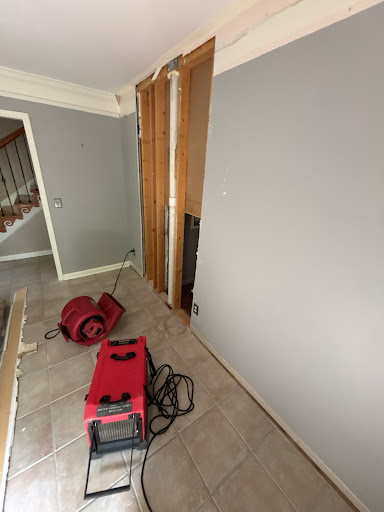
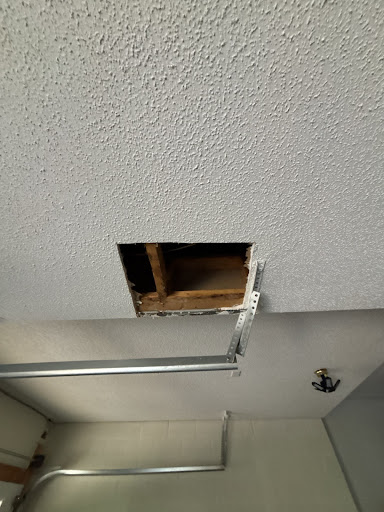
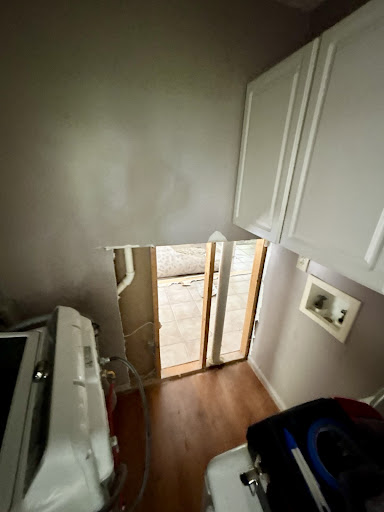



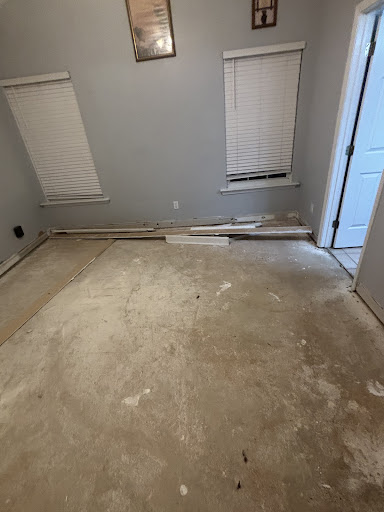
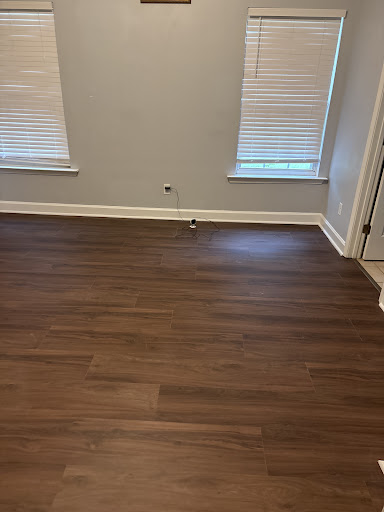















South Carolina’s storms, high humidity, and older building materials can cause property damage to worsen quickly without fast emergency response. Water damage, fire damage, and moisture intrusion often lead to mold growth, structural damage, and contamination when mitigation is delayed.
Local conditions make immediate action critical.
Heavy rain and severe weather can cause flooding, roof leaks, and sudden water intrusion. Rapid water removal and drying help prevent damage from spreading into drywall and structural materials.
Even after visible water is removed, humidity can trap moisture inside walls and floors. This accelerates mold growth and increases health risks without professional drying and mitigation.
Fire damage often includes smoke residue and water from firefighting efforts. Coordinated fire damage restoration and moisture control help stabilize the property and protect indoor air quality.
Many South Carolina homes use materials that absorb moisture quickly. Without fast mitigation, drywall and framing can deteriorate and increase restoration scope.
Understanding how South Carolina’s climate and building styles affect damage progression allows restoration professionals to respond faster and reduce further damage.
Emergency restoration pricing depends on the type and severity of property damage and how quickly mitigation begins. Water damage, fire damage, mold growth, and storm damage all affect the scope of emergency services needed to prevent further damage.
Fast emergency response focuses on stabilization first, which often reduces overall restoration costs.
Early mitigation helps limit secondary damage and long-term repair needs.
Emergency restoration services address immediate risks through water extraction, drying, containment, and safety measures. Full property restoration and repairs are planned after the property is stabilized and the restoration process is clearly defined.
Emergency mitigation is typically required by insurance companies. Documentation such as photos, moisture readings, and service reports supports the insurance claim, though coverage depends on the policy and claims process.

Our restoration team responds quickly to assess water damage, fire damage, or mold-related issues. We identify safety risks, moisture intrusion, and areas requiring immediate mitigation to prevent further damage.

Emergency services focus on stopping the damage through water removal, water extraction, drying, containment, or board-up services. This step limits contamination, controls moisture, and stabilizes affected drywall and structural materials.

Once the property is stabilized, we document the damage with photos, moisture readings, and service reports to support the insurance claim. From there, the restoration process can move forward with a clear plan to restore the property toward its pre-loss condition.
A sudden upstairs leak caused flooding and first-floor ceiling damage in a South Carolina townhome. Fast emergency response was needed to stop further water damage and reduce the risk of mold growth.
Quick mitigation stabilized the property and reduced further damage. Clear communication and a careful approach helped ease stress while preparing the home for repairs.
“He truly took care of my home as if it was his… everything feel less stressful.”
Professional emergency restoration should begin as soon as property damage is discovered. Delays can allow water damage, fire damage, or mold growth to spread, increasing health risks and restoration costs.
Prompt mitigation helps prevent further damage and supports insurance claims.
We provide 24/7 emergency restoration services throughout South Carolina and surrounding areas. Our team responds quickly to water damage, fire damage, storm damage, and mold emergencies for both residential and commercial properties.
Local coverage allows for faster response times, region-specific mitigation, and restoration services aligned with South Carolina’s climate and building conditions.
When property damage occurs, fast action helps prevent further damage and protect your home or business. Our restoration team is available 24/7 across South Carolina to respond to water damage, fire damage, storm damage, and mold emergencies.
Call now to speak with a restoration professional and begin emergency mitigation right away.
Prioritize safety, stop the source if you can, and call for emergency response. The goal is fast mitigation to prevent further damage and mold growth.
Mold risk increases fast when materials stay wet—especially in humid environments—so emergency drying and moisture control should start as soon as possible.
If water reached drywall, flooring, insulation, or you have persistent moisture/odors, professional mitigation is recommended to prevent hidden damage and mold growth.
Many jobs take several days depending on materials, humidity, and how far moisture spread; drying and monitoring are part of professional water damage restoration.
Mitigation is the urgent work that stops damage from spreading (water extraction, drying, containment, stabilization). Restoration is the repair phase that returns the property toward pre-loss condition.
Only if it’s needed to access trapped moisture, prevent contamination, or stop damage from spreading. The goal is controlled, minimal demolition when possible.
Water extraction is the removal of standing water using professional equipment, followed by drying and moisture control to prevent further damage.
IICRC standards are widely recognized, ANSI-accredited best-practice guidelines used in restoration work; certification indicates trained technicians and a standards-based approach.
If you can, notify insurance quickly—but don’t delay emergency mitigation. Many policies expect you to take reasonable steps to prevent further damage (“duty to mitigate”).
Coverage depends on your policy and the cause of loss. What you can do is document the damage and mitigation work clearly to support the insurance claim and claims process.
Photos, notes on when damage started, and professional documentation like moisture readings, equipment logs, and itemized work records all help.
Be accurate and don’t guess. If you’re unsure of the source, describe it as “water damage” and let professionals determine the cause—word choice can matter for coverage. Never lie.