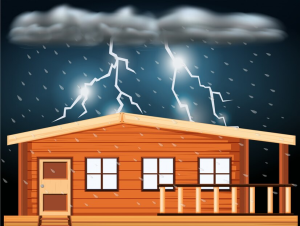
Storms in the Upstate don’t always leave obvious damage behind. In many cases, the most serious issues develop quietly — inside walls, beneath roofing materials, or below flooring systems. Knowing how to recognize early warning signs helps homeowners determine when monitoring is appropriate and when professional assessment becomes necessary.
According to regional storm data tracked by the National Weather Service, wind-driven rain and localized downpours are common contributors to hidden residential damage across South Carolina.

Yellowing drywall, bubbling paint, or ceiling discoloration often indicate water intrusion that began during or shortly after a storm. Even small stains can signal moisture migration from the roof, siding, or flashing.
For a broader overview, review storm-related property damage that commonly affects South Carolina homes.
High winds can loosen shingles or lift roof materials without fully removing them. This type of damage is easy to miss from the ground but can allow water to enter roof decking layers.
Learn more about signs of roof-related water intrusion after severe weather.
Water pooling near walls, baseboards, or lower levels often points to drainage issues or exterior water intrusion caused by heavy rainfall. Even shallow moisture can affect subflooring and insulation.
See examples of basement and lower-level flooding risks common in the region.
Persistent musty odors developing days after a storm usually indicate trapped moisture in crawl spaces, wall cavities, or flooring systems. These conditions increase the likelihood of mold growth if left unaddressed.
This is especially common locally — learn why crawl spaces in South Carolina get moldy.
Subtle warping, swelling, or separation of building materials can occur when moisture is absorbed beneath finished surfaces. These changes may appear days or weeks after the initial storm.
Explore common water damage patterns seen in Greenville County homes.
Flickering lights, tripped breakers, or outlets that stop working after a storm may indicate moisture exposure near wiring pathways. Electrical issues should always be evaluated cautiously.
Research from the National Oceanic and Atmospheric Administration shows that prolonged humidity after storms increases the likelihood of moisture-related building system impacts.
Review professional water mitigation indicators to understand when escalation is appropriate.
If areas repeatedly become damp after drying efforts, it often means moisture remains trapped behind walls or beneath flooring. This type of recurring moisture typically requires specialized drying and monitoring.
Post-storm safety guidance from FEMA highlights the importance of addressing lingering moisture before secondary damage develops.
Prevent future storm-related issues by following the South Carolina home maintenance checklist.

Storm damage becomes time-sensitive when moisture migrates into structural systems or electrical components. In these cases, involving emergency restoration services helps limit secondary damage while maintaining safety.
Homeowners should visually inspect accessible areas as soon as conditions are safe. Interior signs such as staining, odors, or dampness may appear hours or days after the storm, so continued monitoring is important.
Yes. Wind-driven rain and lifted shingles can allow water intrusion without visible exterior damage. Issues often develop beneath roofing materials or inside attic spaces.
Not always, but persistent musty smells typically indicate trapped moisture. If odors remain after ventilation and drying, further evaluation may be needed to determine the source.
Roofs, attics, crawl spaces, basements, exterior walls, and areas around windows and doors are especially vulnerable due to wind exposure and water runoff patterns.
Moisture can begin affecting building materials within 24–48 hours, depending on temperature, humidity, and airflow. Structural and air-quality concerns develop over time if moisture remains trapped.
Monitoring may be appropriate for minor issues, but recurring moisture, structural changes, or electrical irregularities suggest escalation may be necessary to prevent further damage.
Not always. Minor surface issues may resolve with proper drying and ventilation. However, hidden moisture, repeated dampness, or structural concerns typically require professional assessment.
Routine roof inspections, proper drainage, crawl space moisture control, and seasonal maintenance help reduce storm-related risks common in Upstate South Carolina.